Interview: MLB 10: The Show’s Jody Kelsey
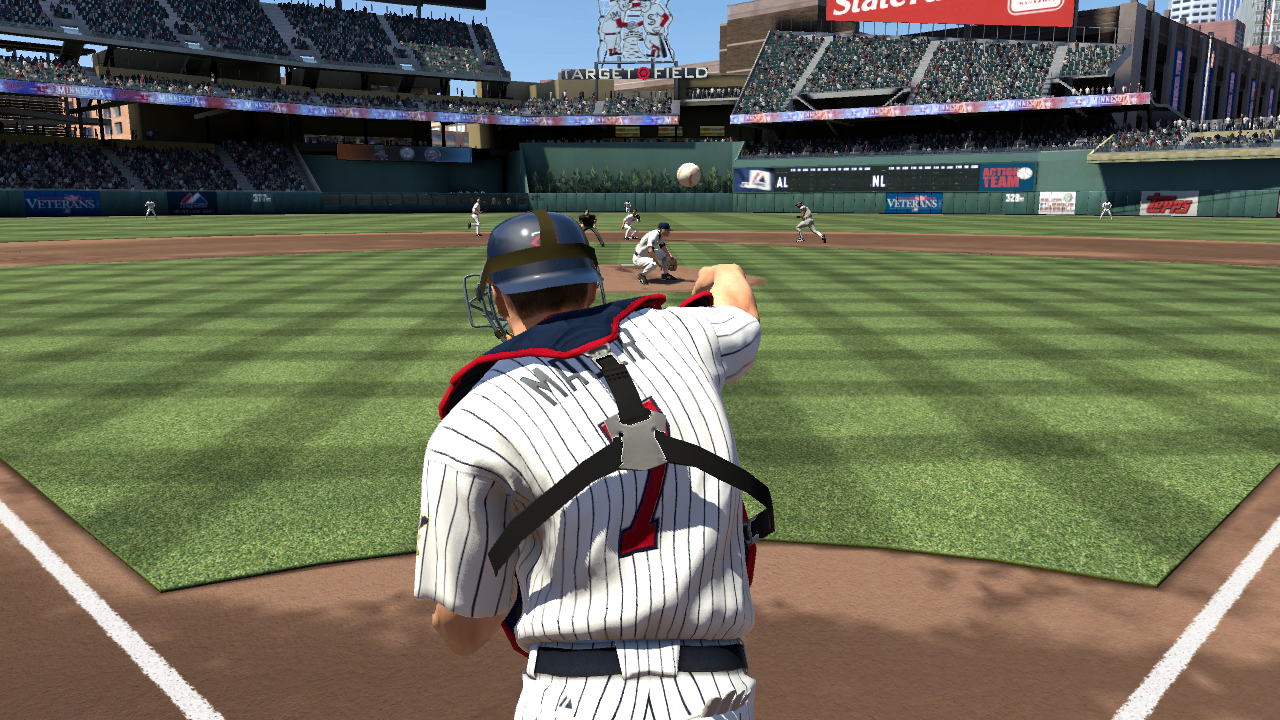 Over one month before real baseball begins at Target Field, fans will have the opportunity to see the park in action. For the first time in a video game, baseball will be played outdoors in Minnesota, and Senior Producer of MLB 10: The Show, Jody Kelsey was kind enough to answer some questions.
Jody Kelsey: We start off our process with pre-development, which includes layout and the collecting of reference material. This took about one month. Once we’re ready with our references, the overall digital construction of the stadium is about two-three months in the making. The digital construction encompasses modeling, texturing and lighting.
JK: We have contacts with all the MLB teams, and our contact with the Minnesota Twins helped to provide us with the blueprints, as well as other instrumental reference photos during the stadium construction. We provided samples of specific details we’re looking for, one example being the type of tree species they will be planting within the batters eye, which they provided to us. We need to know all the details, big and small.
JK: After obtaining all the needed reference material, we go into the initial layout stage. Our main focus deals with important items such as wall dimensions, wall heights and field layout. We then go into construction and model detail. Accuracy is always on our mind, so during this process we continue to check for updated reference material to assure the model is as accurate as the real stadium. Texturing and lighting is the final stage in the development of the stadium. During this whole process, we do travel to the stadium sight if possible, obtaining photo and lighting reference allowing us to recreate the most realistic stadium experience for anyone playing in Target Field in MLB 10 The Show.
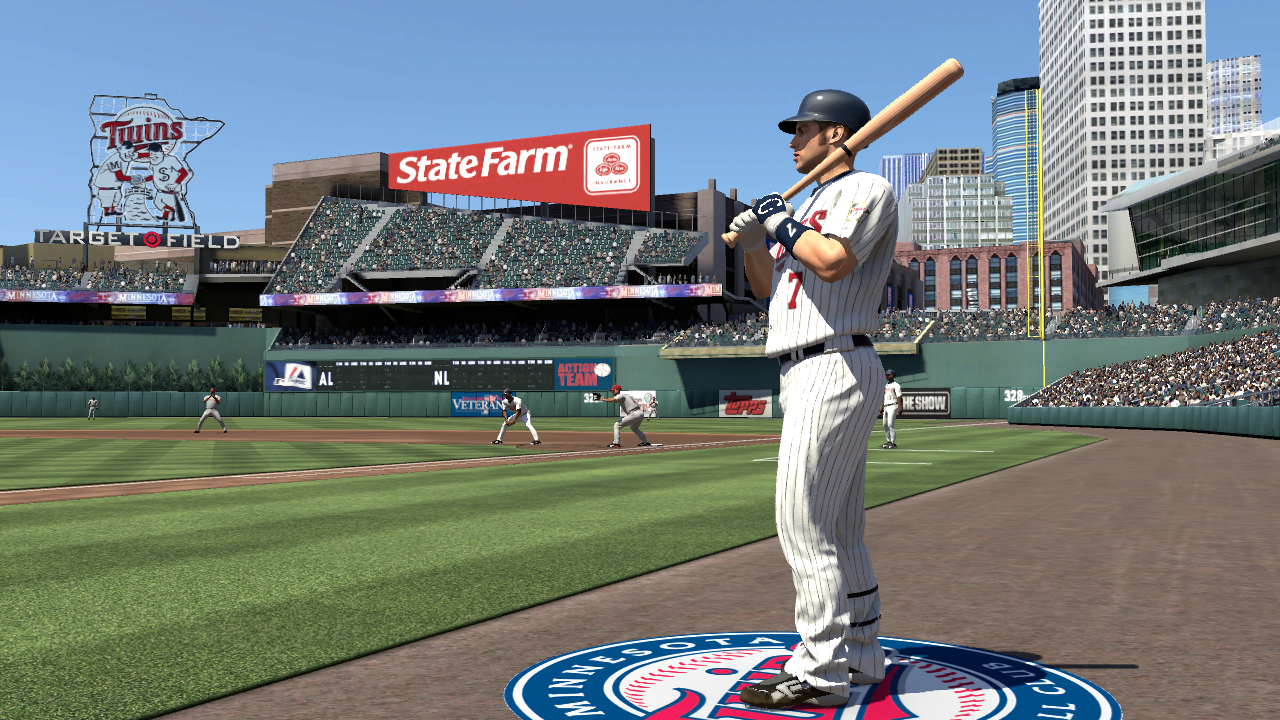
JK: Unfortunately, we did not actually make it to Target Field this year. We relied on the Twins to get us all the data and they were incredibly helpful.
JK: I would have to say the detail that the stadium encompasses. Things like the unique lines of the Metropolitan Club to the metal detail running through the entrance plaza in left field. The stadium is packed with character even down to the dark green window color.
JK: Lots of internet research occurred to find building placement, building heights, etc. We also used existing city photos we have from previous visits for texture map accuracy. This combination allowed for an exact digital replica of the downtown Minneapolis.
odome is no longer in use, will it remain in the game?
JK: Yes. We’ve added the Metrodome to our Classic Stadium collection joining Shea Stadium and Yankee Stadium.
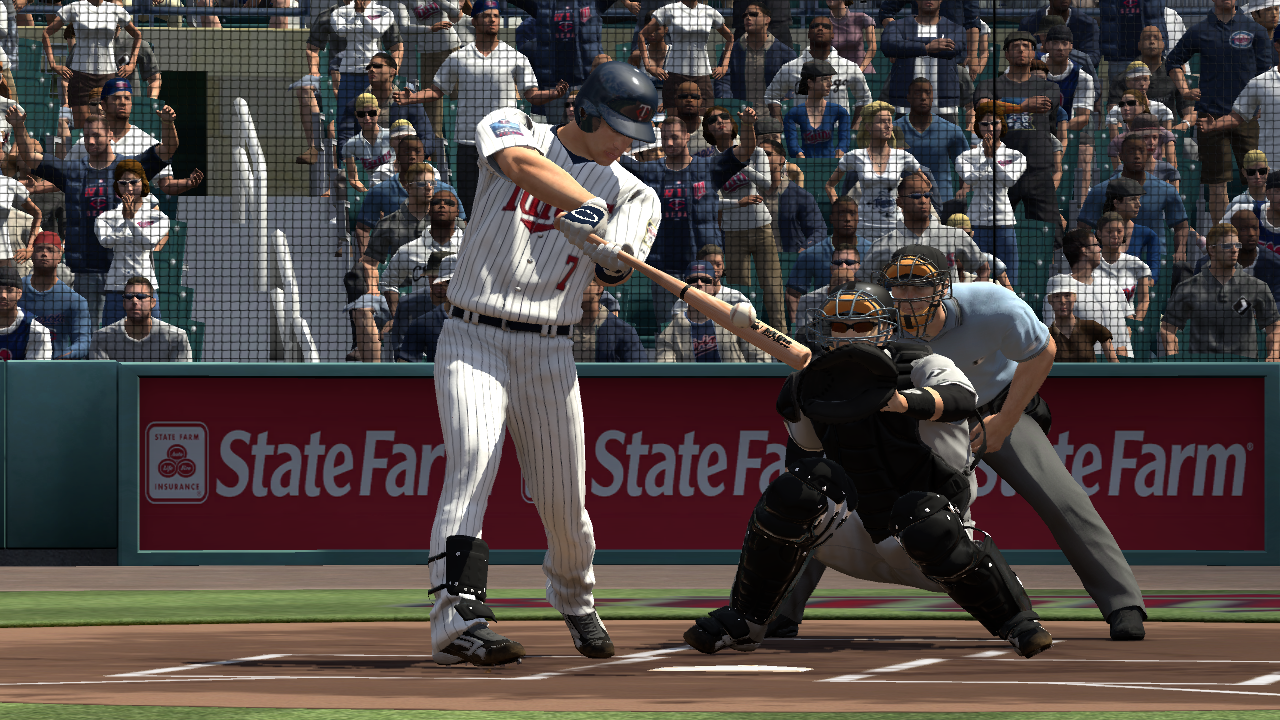
JK: Night time player lighting has a richer, more realistic feel to it, now that we are accounting for the self shadowing effects cast by the stadium bank lights. Day games will immediately look different, and you will feel the difference between 1pm and 3pm, both in the light energy, and the stadium cast shadows. Clouds now cast faint shadows on the world, which brings yet another realistic soft touch to the feeling of the visuals. Reflection and energy maps convey current time conditions, and are localized, so you can watch the reflection change in a baserunner’s helmet as he rounds the bases. Additionally, players populate dugouts and bullpens in real time and we’ve added stadium specific touches with scoreboards, jumbotrons, real-time clocks, splashcams, etc. We’ve also included crowd animation updates like stadium-specific behaviors such as animated objects, fireworks, splash counts, TB cowbell, and improved play-off atmosphere with additions such as noisemakers and rally towels.
JK: Well, it’s impossible to ignore that Joe is one of the best players in baseball today and that is one of the reasons he’s a great fit for MLB 10 The Show. But, it’s also the entire body of work that he has put together in just a short time. His accomplishments at the age of 26 are almost unrivaled in the history of baseball. Joe is also just moving into the mainstream with people now understanding and appreciating the skill that he brings to game. On top of that, his range on the field links very well to what our game, The Show, really encapsulates, which is the deepest experience we can bring to your living room short of you actually putting on the equipment and getting on the field.
 A Voice From Twins Territory