Category: Dailies
Home Opener 2010: April 12
The 2010 schedule won’t be offically announced until sometime in September, but the Associated Press has obtained at least a portion of the schedule, including the date of the first outdoor game in Minneapolis in 28 seasons.
Target Field is set to open on April 12, 2010 when the Minnesota Twins take on the Boston Red Sox.
Target Field has a target date.
Outdoor baseball is tentatively set to return to Minneapolis on April 12 when the Minnesota Twins play their 2010 home opener against the Boston Red Sox.
The date was contained in a draft schedule for next season that recently was sent to teams and revealed Friday to The Associated Press. It was provided by a baseball official on condition of anonymity because Major League Baseball’s central office asked that the schedule not be made public before it is finalized later this year.
Minnesota is tentatively set to open the season on April 5 in California against the Los Angeles Angels.
It looks as if the Twins will play in Los Angeles, travel to one other city, and then head to Minnesota to kick off the first season in Target Field.
Homestand Highlights: Tigers, Yankees, and Sox
After surviving a tumultuous June schedule that consisted of two long roadtrips and 19 of a total 27 games on the road, the Twins have finally returned to their comfort zone in Minneapolis. For the next ten days, the Twins will remain indoors and continue the countdown of games until outdoor baseball in Minnesota.
Stuck Around .500
Michael Cuddyer said it best when he described the baseball season recently: the first forty games you look to keep close, the next eighty or so you look to pull ahead, and the final forty you look to hold that lead.
Interleague Roundup
Interleague play first began in 1997, and since that time, the schedule has seen more and more National League teams added. The Twins’ style of play, often referred to as ‘small ball’, has been compared regularly to that of the National League ‘style’. So it’s no wonder that the Minnesota Twins have succeeded in interleague play since the tradition began.
In recent years, the Twins have dominated interleague play, posting some of the best records in all of baseball. Since 2006, the Twins have gone an incredible 53-19 to give them a .736 winning percentage over that span of games.
All-time, since the tradition began 12 years ago, the Twins have the second best interleague record. Only the Yankees (133-95) have more wins than the Twins (132-96) against the National League. The Twins’ all-time winning percentage in interleague play is .579.
Aside from winning games against the National League during a span of six series in interleague play, the Twins have also fared well with attendance in their three hosted series. This season, hosting the likes of Milwaukee, Pittsburgh, and Houston, the Twins drew a total of 302,468 fans for an average of 33,607 visitors per game.
The Twins won’t be making the move to the other league any time soon, but it’s clear that recently at least, they benefit from playing National League opponents; both for reasons shown in the standings and ticket sales.
Making the Cover
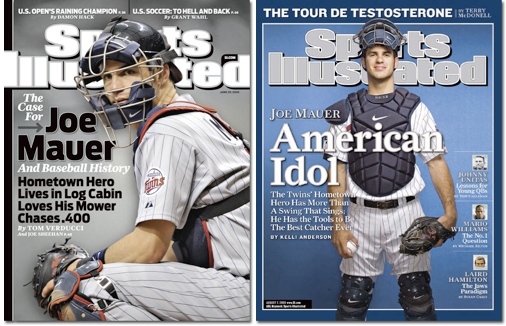
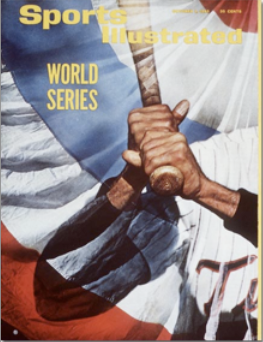
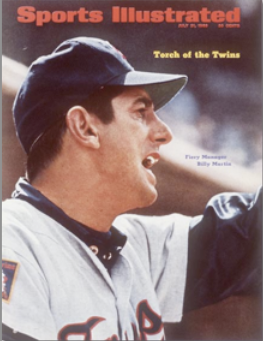
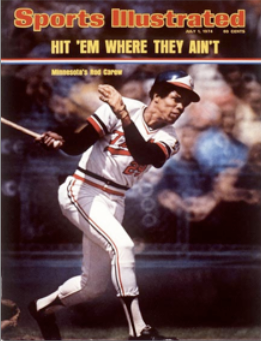
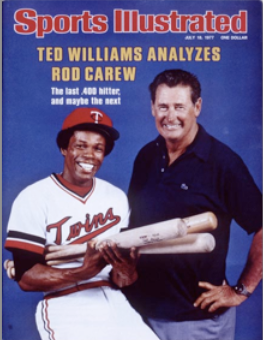
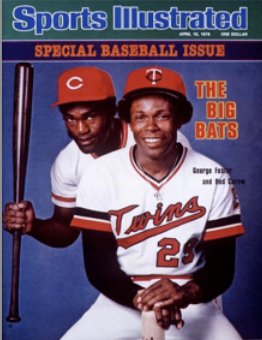
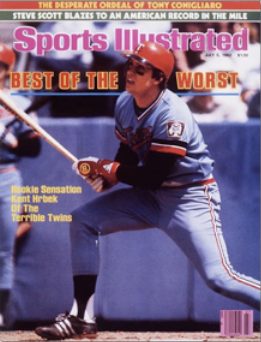
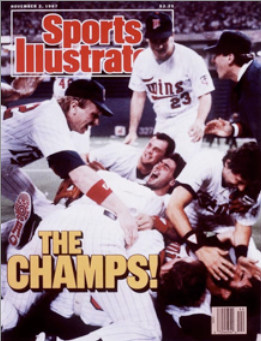
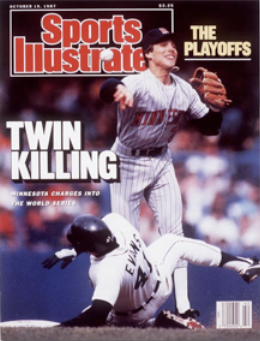
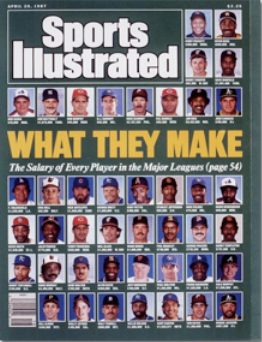
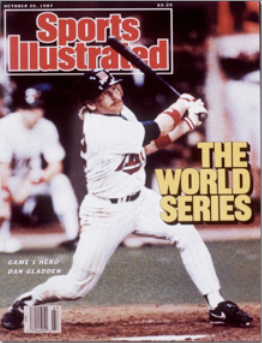
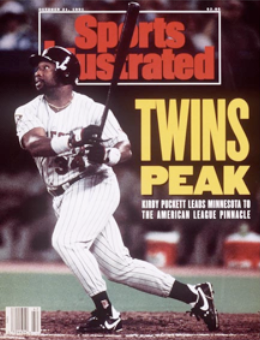
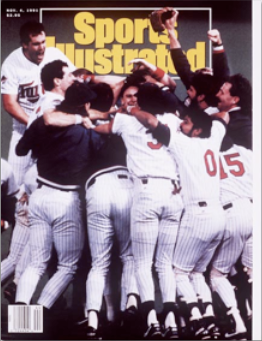
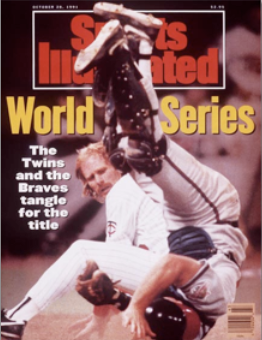
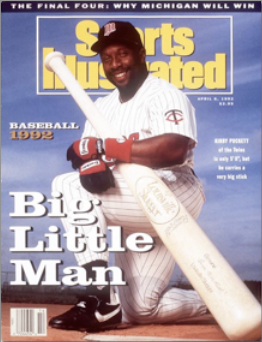
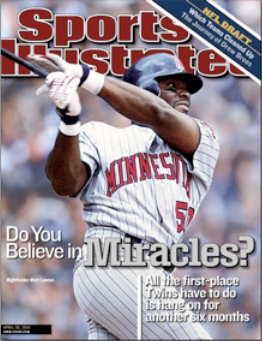
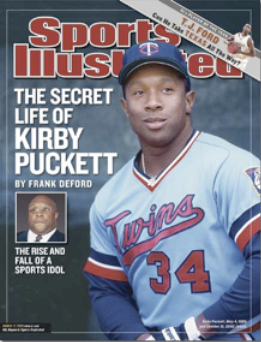
For the second time in his career, Joe Mauer made the cover of Sports Illustrated. It’s a rare commodity to make the cover, and Mauer is the only Twin to have made the cover for the Minnesota Twins since Matt Lawton graced it on April 30, 2001.
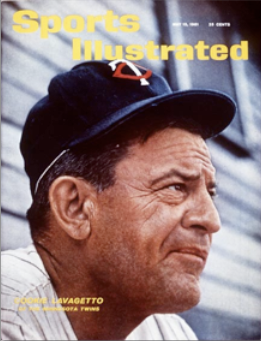
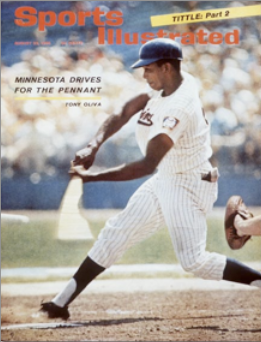
With nearly 600 covers of Sports Illustrated involving Major League Baseball, the Twins have all-time seen a total of 21 players make the cover. Mauer has done it the past two times, but the team has seen other stars such as Rod Carew, Kent Hrbek, and Kirby Puckett accomplish the feat too.
 |
 |
 |
 |
 |
 |
 |
 |
 |
 |
 |
 |
 |
 |
 |
 |
 |
 |
Power Surge
The Minnesota Twins for as long as memory serves have been a “small ball” team; one that does all the little things right such as playing sound defense, running out every ground ball and moving runners over with bunts.
No Roof? No Problem
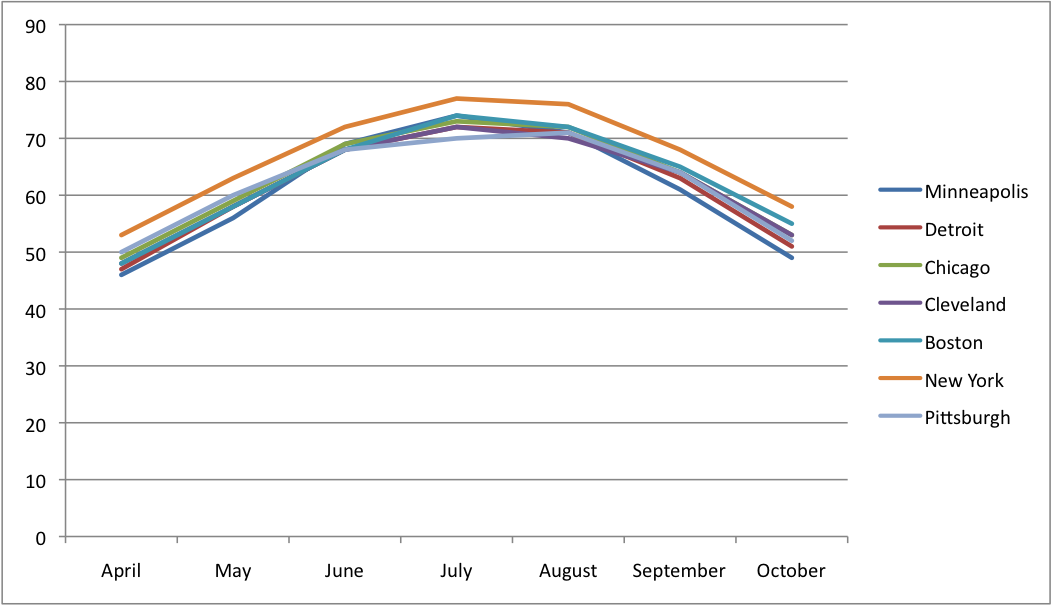
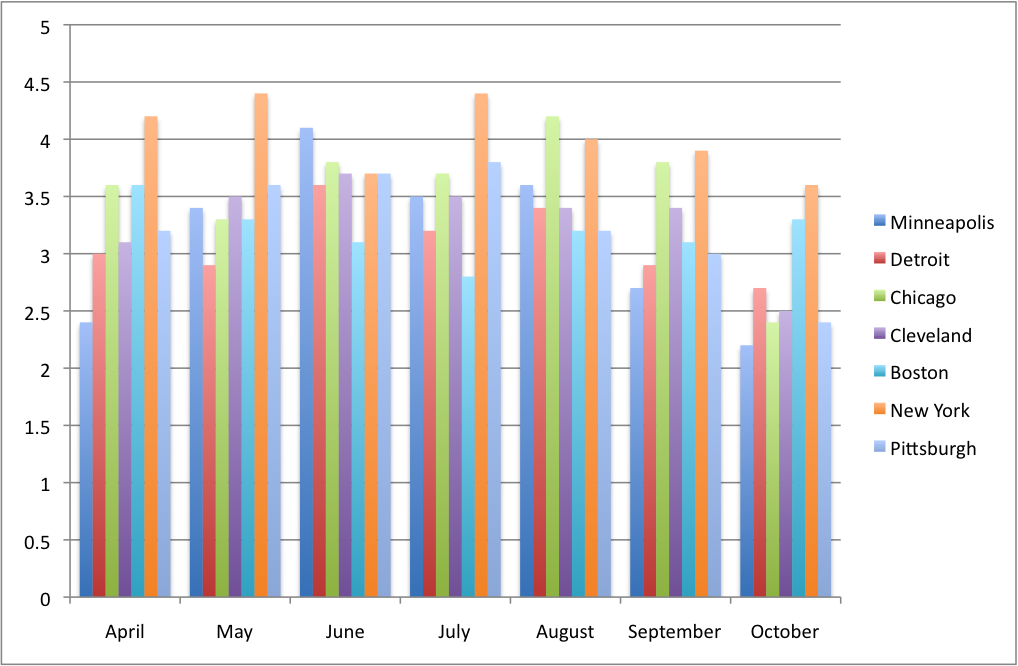
Next spring when the Minnesota Twins take the field in early April, outdoors, in Target Field, there will be no roof. After long talks, the deal for the new ballpark proceeded with no plans for a retractable roof, meaning a complete open-air stadium beginning in the 2010 season.
A Lifetime Legacy
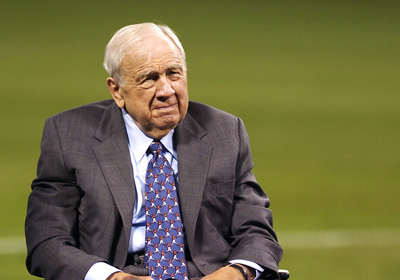
devote yourself to creating something that gives you purpose and meaning.” Carl
Pohlad did all of these things and more.
boys’ commission.
work for the boy, Carl took great pride in his sports; including football.
Pohlad played two seasons at Gonzaga University before returning to Iowa after
the senior season.
Upon his return to the
Midwest, Carl continued to work, before, in 1942, he was drafted into the Army.
While he was in Europe however, Carl’s businessman like ways continued as he
used a tent to continue his small loans occupation.
Pohlad was injured in the
war, returned to Iowa where he received a Purple Heart, and in 1947 married his
longtime wife, Eloise Pohlad.
After years of being an
entrepreneur in several industries, including the Pepsi-Cola bottling company
and many banks, Carl Pohlad for the first time became a widely-known figure
when he purchased the Minnesota Twins from Calvin Griffith in 1984 for $34
million.
At the time of the purchase,
there were rumblings of the team possibly being moved to Florida. Pohlad helped
dash those thoughts, and the beginning of a true baseball franchise in
Minneapolis was underway.
“I believe Carl did save baseball in Minnesota,”
says Minnesota Twins assistant general manager Rob Antony, “Calvin Griffith was
poised to sell the team and we would have been moved to Florida. Mr. Pohlad
stepped in and purchased the club and looked at it as entertainment value, not
only for his family, but also for the people of Minnesota and the upper
Midwest.”
That’s how Carl was; while he
was a business man at heart, Pohlad cared deeply about the community, and when
he purchased the Twins, his intent was to keep the team a local product.
“No one can know for sure
what would have happened had Mr. Pohlad not purchased the team, but the fact
remains that he did keep the Twins in Minnesota.” said team President and good
friend, Dave St. Peter, “Mr. Pohlad knew that the Twins were a community
asset. By buying and owning the
team, he enabled this community asset to remain here for the long term.”
Within the first few seasons
under Pohlad’s wing, the Twins won World Series titles in 1987 and 1991. Carl
loved to win, and was even more keen on building a solid foundation for the
organization.
“His biggest contribution to the Twins, in my
estimation, was his ability to foster continuity and he created a solid base
for the organization.” says Antony, “He didn’t panic when things weren’t going
well, he hired good people and let them do their jobs.”
Letting his people do the
work was another thing that Pohlad strongly believed in. While some baseball
owners take pride in running the show and being in the spotlight, Pohlad didn’t
care for the attention.
Aside from being a great
businessman that was careful with his money, Pohlad was strong on respect, and
showed that in the way he treated his staff.
“Mr. Pohlad was a very
thoughtful man and respected his employees.” St. Peter says, “He was a big fan
but never interjected too much in the operation of the franchise. He was very
supportive of his employees and trusted them to do their jobs well. When he was
at games, he always had a smile and a handshake for everyone. He often enjoyed
stepping into the manager’s office for a kind conversation and a vote of
confidence.”
And it wasn’t only the staff
that Pohlad cared for, he loved his players, and it was always important to him
that his organization was a model for other teams.
“He and his wife Eloise genuinely cared about the
players and wanted to win,” Antony mentions, “but they were most proud of
having an organization they could be proud of and was respected in the game.”
Pohlad was never criticized for being unkind or
trying to steal the spotlight. The biggest mark against Carl in his years as
the team’s owner was for being cheap.
Many blame Pohlad for not spending money, and
simply putting a team on the field to be semi-competitive rather than a team
promised to win it all. Carl was, after all, one of the richest owners in the
game; Forbes magazine estimated Pohlad’s fortune at $3.8 billion last
September, making him one of the richest men in America.
Yet what many fans never understood, was that
Carl was a businessman at heart, and had many other investments in addition to
the Twins.
“Mr. Pohlad was not a cheap owner.” says Antony,
“Mr. Pohlad was willing to pay what he needed, setting benchmarks, when we
signed Kirby Puckett for $3 million a year and again when he got $6 million per
year. Many fans and media look at his overall net worth and think he should
spend whatever it takes to have a championship team. The Pohlads have always
been very competitive and want to win, but they also believe in running the
organization as a business in that it should be self-sustaining.”
And then there is the new, nearly $550 million
ballpark that is set to open next season. Carl deeply wanted the Twins to stay
in Minnesota, and worked hard to make it a reality.
“Mr. Pohlad was careful with money. And there’s nothing wrong with that!”
St. Peter says, “Although some say he was “cheap” for not signing high-cost,
high-profile players – those decisions were really made by the folks who ran
the baseball team and not Mr. Pohlad.
I can tell you that Mr. Pohlad was very generous with the construction
of Target Field by putting in more than 22 million dollars extra for
enhancements above and beyond the more than 100 million pledged to build it.”
Carl is now gone from the lives of many, yet his
franchise respected by most remains in the hands of the Pohlad family. His son,
Jim Pohlad, has taken over as the team’s CEO, and the team’s Star Tribune beat
writer La Velle E. Neal III says the same business sense is present.
“Jim is being dealt a pretty good hand with a
competitive team heading into a new stadium.” Neal says, “Jim may be a tad – a
tad – more impulsive than his father. But the same business sense is there.”
And while Jim might just be a little more
impulsive as Neal mentions, Dave St. Peter says he shares the same view as his
father — that he isn’t the show.
“Jim shares the idea that the owner is not the
“show”. The players are. He will
not seek the limelight and will operate under the radar as much as
possible. All similar to the way
his father conducted himself.”
 A Voice From Twins Territory